
Offer discovery
Clarify the objective, audience, conversion and commercial context.
Google Ads helps businesses appear when potential customers actively search for relevant products, services or solutions. D-Sense Digital plans campaigns around intent, location, keywords, offer strength and landing quality.
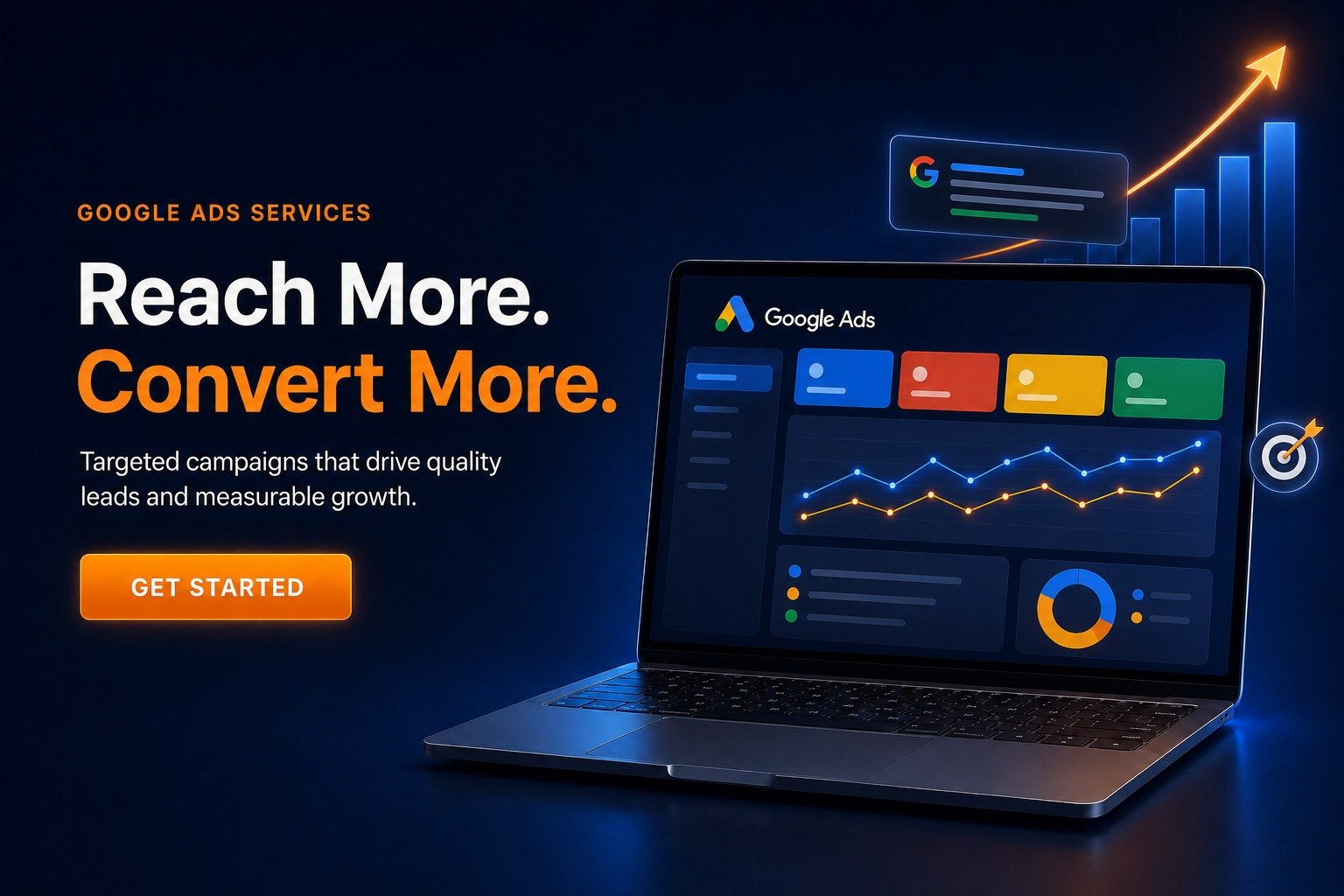
PPC advertising generally charges the advertiser when a user clicks. Campaign value depends on more than clicks: relevance, landing-page quality, conversion tracking and the business outcome after the visit all matter.
Clarify the objective, audience, conversion and commercial context.
Plan keywords and negatives around useful intent.
Organise campaigns and ad groups around meaningful themes.
Connect the user’s query with a clear, relevant offer.
Assess message continuity, trust and ease of action.
Review search terms, budgets and conversion signals.
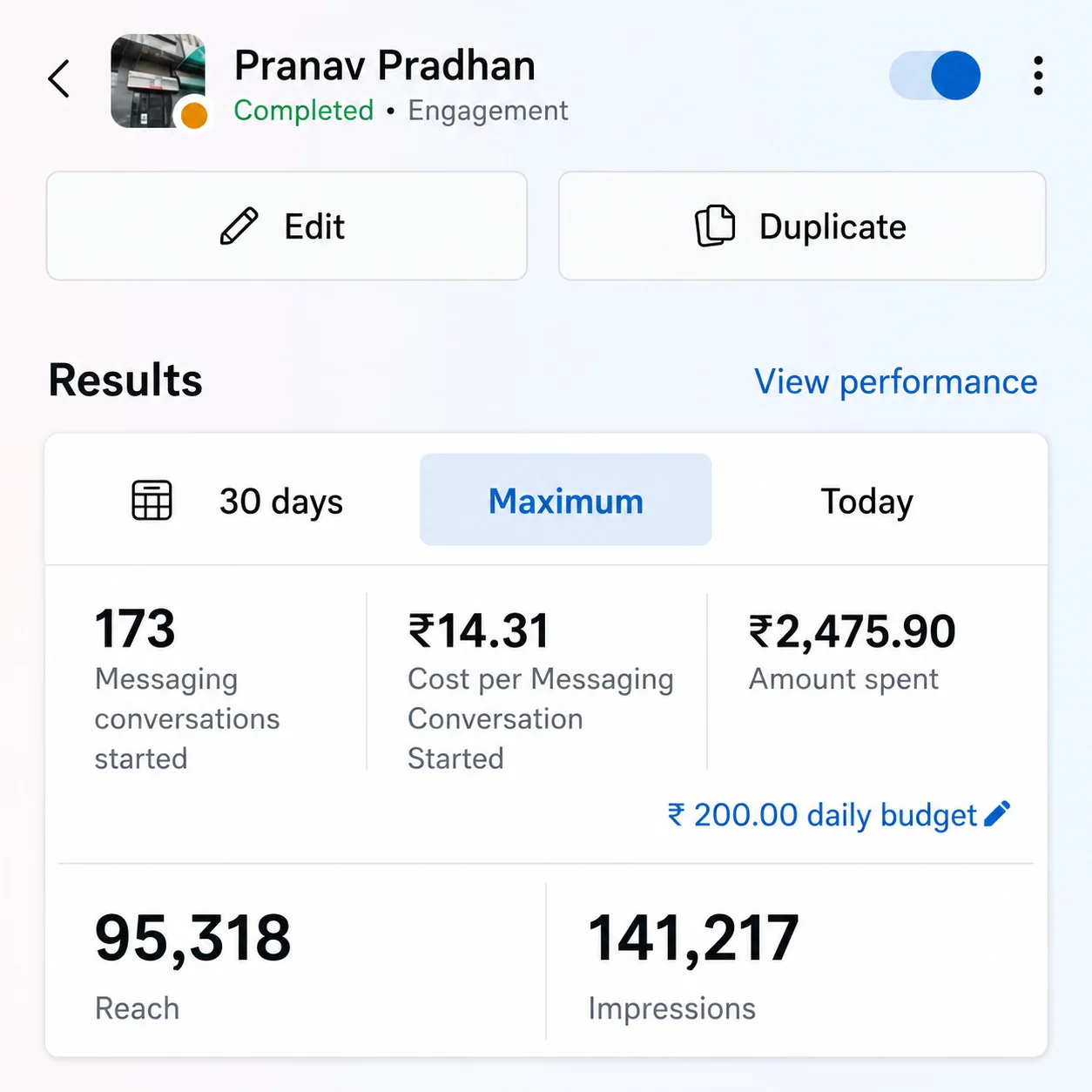
Selected campaign screenshots show how reach, response and cost signals can be reviewed together. Performance varies by industry, budget, audience, offer and duration.
Objective and context.
Keywords and intent.
Campaign structure.
Activate carefully.
Refine signals.
Share clear insights.
Budget should reflect market competition, location, search demand, business economics and the amount of useful data required.
No. The offer, landing page, trust, follow-up and market conditions influence what happens after a click.
They help prevent ads from showing for queries that do not match the offer or objective.
A relevant, clear landing experience is important even when the campaign uses an existing website page.
Review intent, structure, tracking and the landing experience before scaling spend.